Vintage 3-Speed Bluetooth Record Player with Speakers
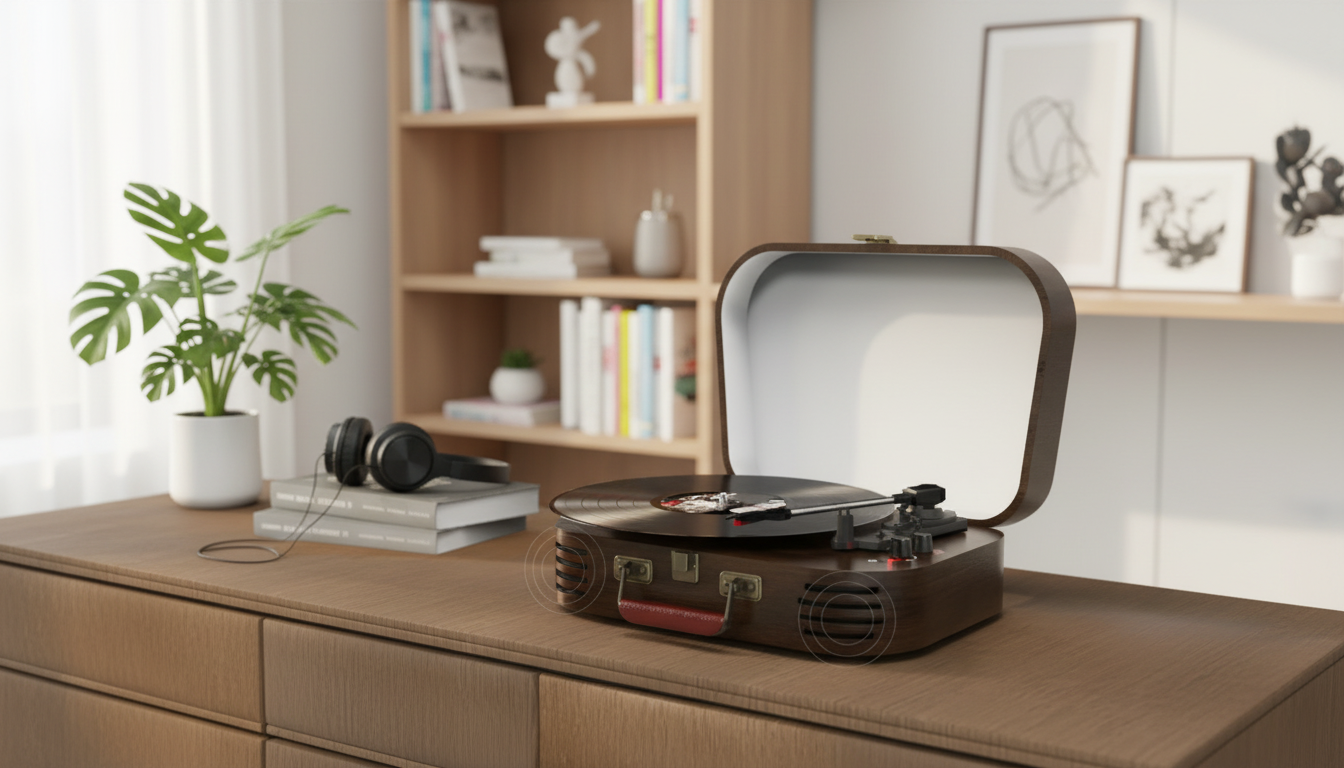
Vintage 3-Speed Record Player with Bluetooth, RCA, USB, AUX-in, and Built-in Speakers
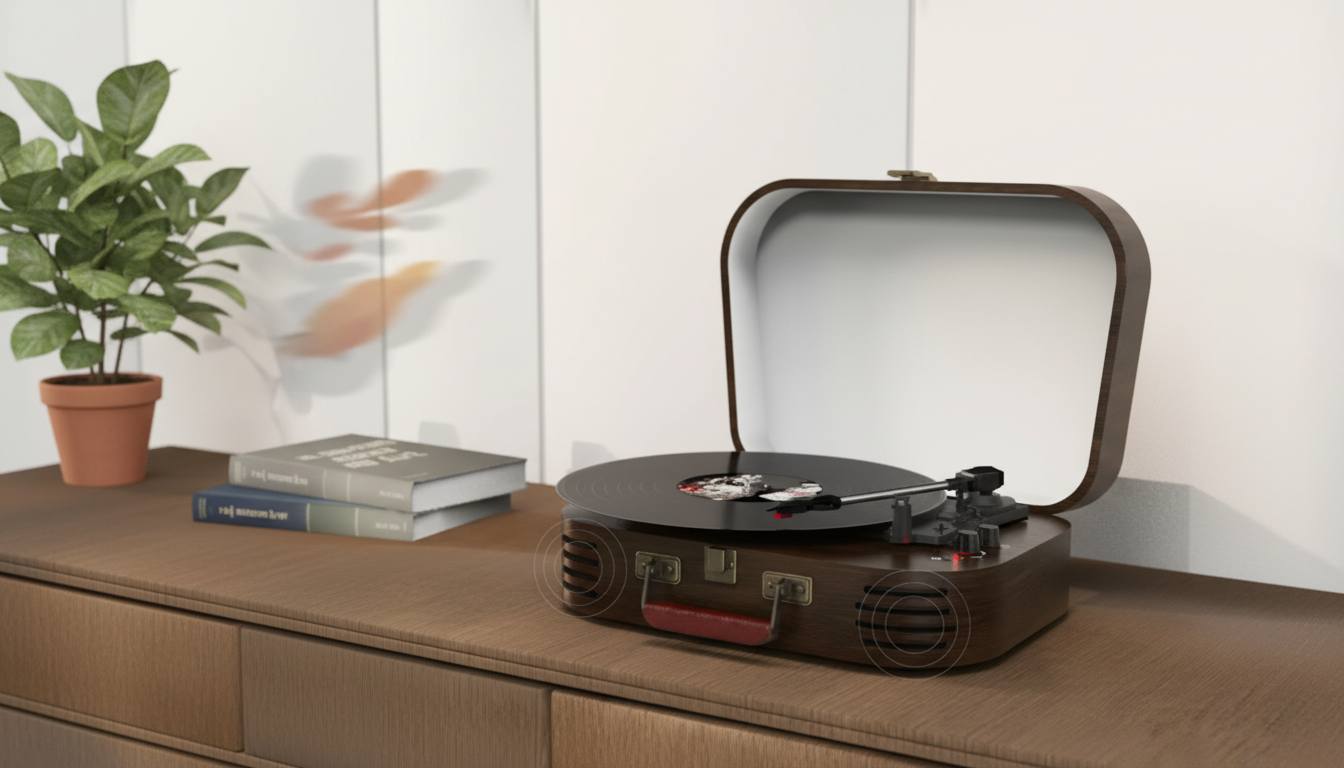
A vinyl setup can be simple without giving up modern convenience. This vintage-style 3-speed record player combines classic turntable playback with Bluetooth streaming, multiple wired connections, and built-in speakers—ideal for apartments, dorms, offices, and casual listening spaces. Instead of building a full hi-fi stack on day one, you can start with an all-in-one unit and still keep upgrade options open through standard audio outputs.
What This Record Player Does Well
- Plays standard vinyl speeds (33⅓, 45, 78 RPM) for most common records.
- Streams music from phones/tablets over Bluetooth for everyday listening.
- Connects to other audio gear using RCA output and AUX-in.
- Adds USB connectivity for flexible playback and device compatibility (use depends on model functions).
- Built-in speakers keep the setup compact—no receiver required for basic use.
- Vintage-inspired look fits retro, mid-century, and cozy home décor styles.
Feature Snapshot
Use this section as a quick scan before diving into setup details and connection options.
| Category | What’s Included | Why It Matters |
|---|---|---|
| Turntable speeds | 3-speed (33⅓ / 45 / 78 RPM) | Covers most modern albums, singles, and many vintage records |
| Wireless | Bluetooth | Stream playlists/podcasts without changing the room setup |
| Wired output | RCA out | Easy upgrade path to external speakers or an amplifier |
| Wired input | AUX-in | Play audio from phones, laptops, or other sources via cable |
| USB | USB connection (function varies by model) | Adds versatility for digital playback/compatibility depending on supported features |
| Speakers | Built-in speakers | Quick, compact listening with minimal gear |
Design, Controls, and Day-to-Day Usability
Vintage-style turntables are made to feel approachable: open the lid, pick a mode, choose a speed, and play. The most practical layouts keep the controls familiar, often combining a power/volume knob with a function selector (commonly phono/Bluetooth/AUX/USB) and a separate speed selector. That simplicity matters when the player is used in a bedroom, office, or shared apartment space where guests may want to queue music quickly.
Because turntables are sensitive to vibration, placement is part of usability. A stable shelf or side table helps reduce skipping and improves clarity, especially when the built-in speakers are playing at moderate volume. If a surface wobbles when you walk by, try a sturdier piece of furniture or a different spot in the room. The compact footprint is a major win for small entertainment units and dorm-friendly shelves.
Vinyl Playback: Speeds, Records, and Listening Tips
Speed selection is the heart of an easy vinyl experience. Records are cut to be played at a specific rotation speed (RPM), and the right setting keeps voices natural and instruments in tune.
- 33⅓ RPM: most full-size albums (LPs).
- 45 RPM: many singles and some special releases; an adapter may be needed for large-center-hole 45s.
- 78 RPM: older shellac records; confirm stylus/needle compatibility before playing collectible 78s.
For cleaner sound and longer record life, handle records by the edges, store them vertically, and keep dust under control. The Library of Congress has a helpful overview of everyday care and storage practices in its guide on preserving your vinyl records. If audio ever seems thin, distorted, or “chipmunk fast,” double-check the speed, confirm the record is seated flat, and give the disc a quick dusting before replaying.
Wireless and Wired Audio Options
This style of player earns its keep by switching between vinyl nights and daily streaming without rearranging your room.
- Bluetooth: pair a phone or tablet and use the turntable as a compact speaker system when you’re not spinning records. It’s a clean way to play playlists, podcasts, or background music while working.
- RCA output: connect to powered speakers, a soundbar with an analog input, or a receiver/amplifier for a bigger soundstage. This is the easiest path to a noticeable audio upgrade without replacing the entire unit.
- AUX-in: plug in laptops, phones, or portable players when Bluetooth isn’t available—or when you want to avoid wireless latency for videos.
One practical habit: start with volume low on both the source device and the turntable, then raise gradually. That avoids sudden “blast” moments when switching modes or reconnecting a phone.
Built-in Speakers: What to Expect from the Sound
For background on how record players evolved from early phonographs into modern turntables, Britannica’s overview of the phonograph is a useful reference.
Setup Checklist and Care
Who This Style of Player Fits Best
Product Links (In Stock)
- Vintage 3-Speed Record Player with Bluetooth, RCA, USB, AUX-in, and Built-in Speakers
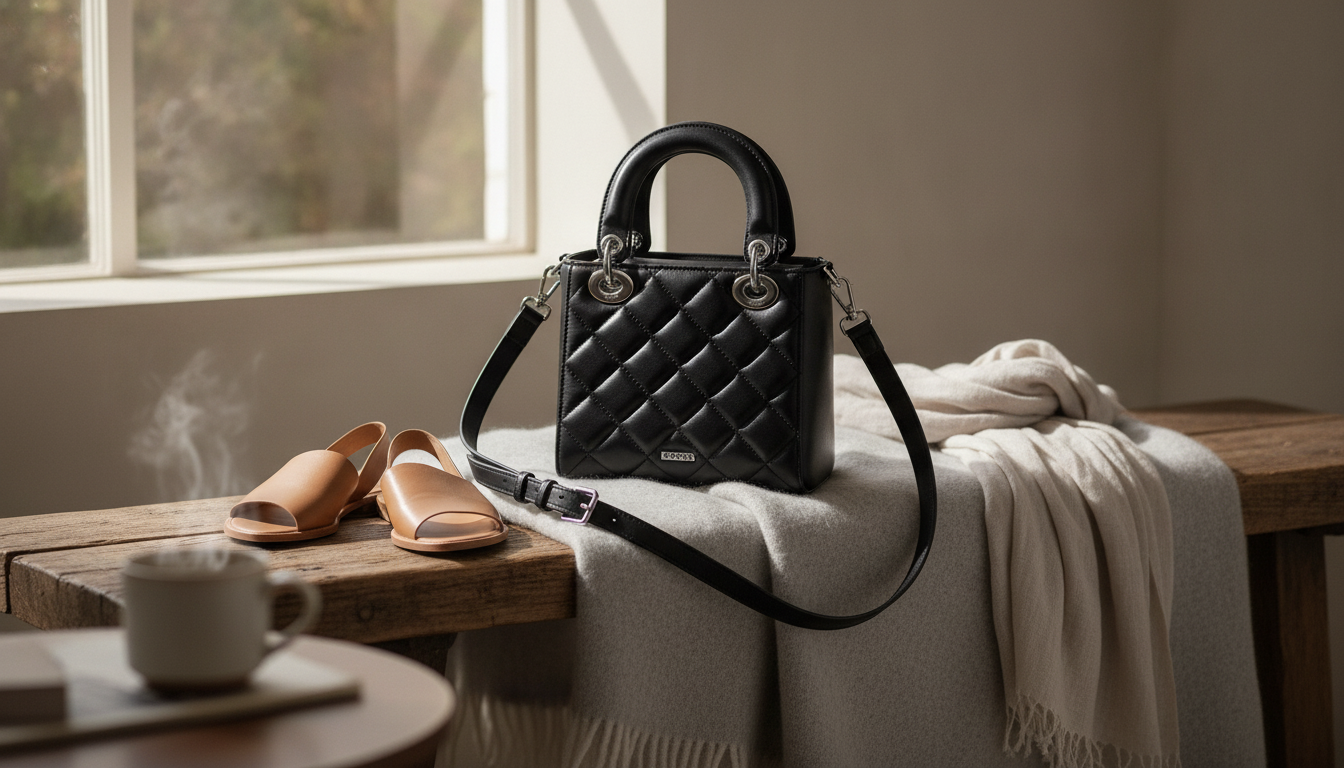
- Genuine Leather Lambskin Crossbody Handbag – Stylish, Soft & Versatile
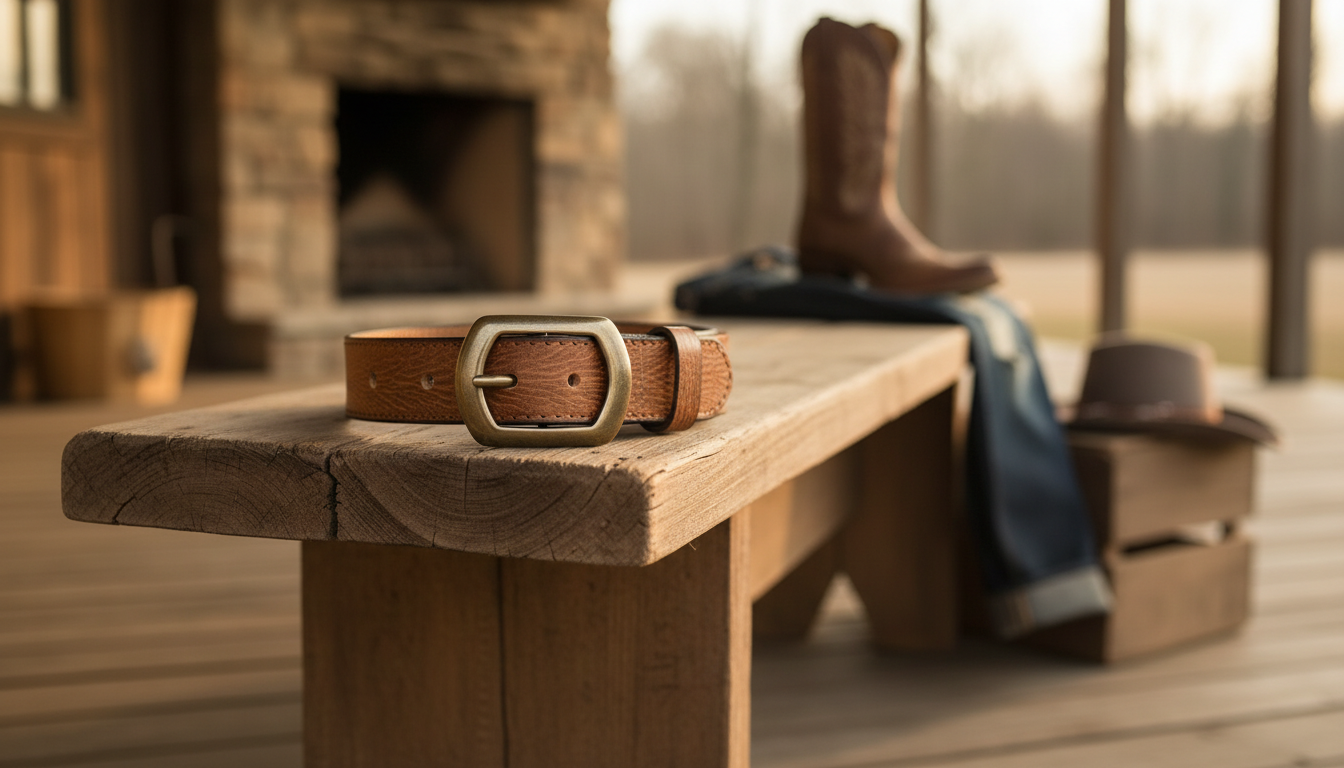
- Men’s Genuine Leather Belt – Vintage Western Style with Pin Buckle, 1 Inch Wide
FAQ
Can external speakers be used instead of the built-in speakers?
Yes—if your unit has RCA output, you can run a cable to powered speakers or to an amplifier/receiver. External speakers usually provide more volume, stronger bass, and better stereo separation than built-ins.
How is Bluetooth used with a record player like this?
Bluetooth is typically used to stream audio from a phone or tablet to the record player so the music plays through the built-in speakers. Unless a model explicitly supports Bluetooth output, Bluetooth generally isn’t used to transmit the vinyl signal to wireless headphones or speakers.
What do 33⅓, 45, and 78 RPM mean, and how do you choose the right speed?
They’re the rotation speeds records are designed to play at: 33⅓ for most LP albums, 45 for many singles, and 78 for older shellac discs. Check the record label for the correct speed, and confirm stylus compatibility before playing 78s.







Leave a comment