Adjustable Raised Ceramic Pet Bowl for Cats & Small Dogs
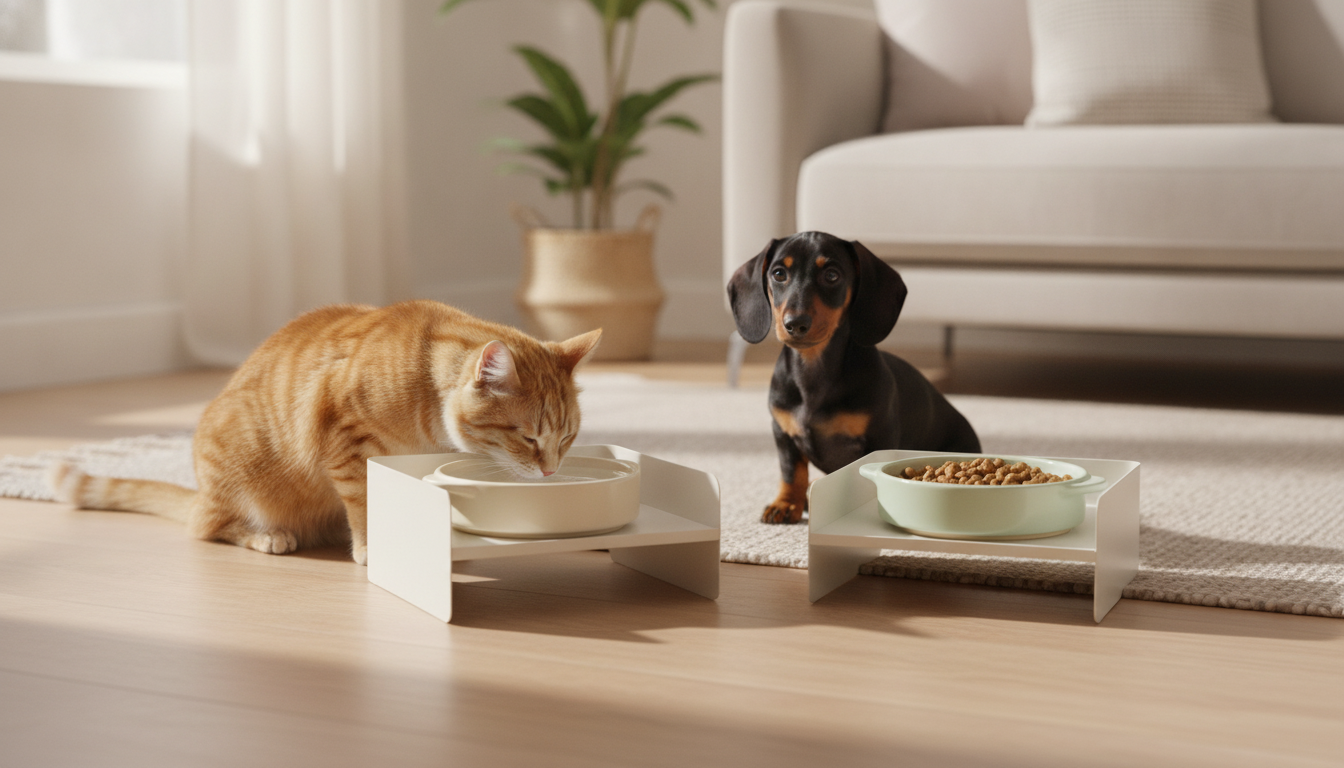
Adjustable Ceramic Pet Bowl: A Cleaner, More Comfortable Mealtime Setup
An adjustable raised bowl can make everyday feeding more comfortable and less messy—especially for small dogs and cats that benefit from a steadier stance and a cleaner feeding area. A ceramic bowl adds weight, stability, and an easy-to-clean surface for both food and water. When the height is matched to your pet, you get a feeding station that feels consistent, looks tidy, and supports a calmer eating posture.
What Makes This Bowl Different
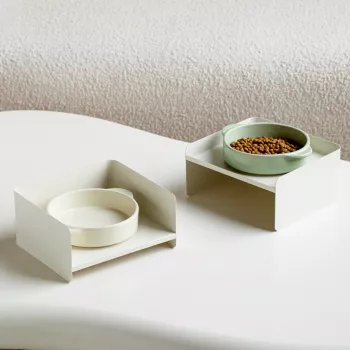
- Adjustable height helps match the bowl position to a pet’s size and posture as they grow or as needs change.
- Raised design reduces the need to crouch low, which may be helpful for pets with sensitive necks or joints.
- Ceramic weight and feel help resist tipping and sliding compared with many lightweight dishes.
- Everyday versatility makes it suitable for small dogs and cats as a daily feeder for both food and water.
If you’re looking for a dedicated raised station, see the Adjustable Ceramic Pet Bowl – Raised Food & Water Dish for Small Dogs & Cats.
Comfort and Feeding Posture
Mealtime posture is easy to overlook until a pet starts hesitating at the bowl, eating messily, or looking uncomfortable after meals. Raising the bowl—especially when you can fine-tune the height—can promote a more natural head and neck angle during eating and drinking.
- A properly positioned bowl encourages a neutral neck position that looks relaxed rather than tucked or stretched.
- Raised feeding may help keep long ears and facial fur away from the bowl edge, depending on breed and coat.
- In multi-pet homes, adjustability can reduce competition by giving each pet a station that fits their body and preferences.
- Pets that eat quickly can still benefit from slower-feeding strategies; a raised bowl is about positioning, not pace.
For general pet wellness guidance and care resources, the American Veterinary Medical Association (AVMA) is a helpful starting point.
Choosing a Height Setting That Fits
The “right” height is the one that helps your pet eat with minimal strain and stable footing. Start at a moderate setting and adjust gradually after watching a few meals. The goal is a stance that looks balanced—no hunched shoulders, no craning upward, and no sliding around the feeding spot.
- Aim for a setting where the pet can eat without hunching or stretching; posture should look relaxed and steady.
- For cats, a slightly elevated height can support a comfortable eating angle and may reduce rim contact for some pets that dislike whisker pressure.
- For small dogs, adjust so the bowl sits near lower chest level while standing comfortably.
- Re-check height after growth spurts, weight changes, or if stiffness is noticed before or after meals.
Quick Height-Check Guide
| Pet type | Signs the bowl is too low | Signs the bowl is too high | Goal posture |
|---|---|---|---|
| Cat | Shoulders drop forward; neck bends sharply | Chin lifted; front paws shift back | Neutral neck; steady stance |
| Small dog | Hunching; elbows splay; gulping from awkward angle | Stretching up; stepping closer to reach | Relaxed back; easy swallow |
| Senior pet | Hesitation to approach; stiffness after eating | Avoids station; unstable footing | Confident approach; minimal strain |
Ceramic Bowl Benefits for Food and Water
Ceramic bowls are a popular choice because they’re sturdy, easy to wash, and often feel more “grounded” than lightweight options. When properly glazed and maintained, ceramic is typically non-porous, which supports better routine hygiene.
- Odor and stain resistance: Glazed ceramic helps resist odors and staining with routine washing.
- Stability: Added weight can improve stability, which is useful for enthusiastic eaters or pets that nudge their bowls.
- Comfort preference: Ceramic can be a good choice for pets sensitive to strong smells or the feel of lightweight plastic bowls.
- Cleaner-looking water: With regular refreshes and wipe-downs, ceramic often stays clean-looking throughout the day.
If you serve wet, fresh, or raw diets, safe handling matters as much as bowl choice. Review the FDA’s tips for safe handling of pet food to help reduce contamination risks in the feeding area.
Everyday Use and Setup Tips
A raised feeder works best when it becomes part of a consistent routine. Small adjustments—like a mat underneath or separating food and water—can make a noticeable difference in cleanliness and ease of use.
- Place the feeder on a level surface; a small mat underneath can catch splashes and crumbs.
- Start with a moderate height, observe posture for a few meals, then adjust in small increments.
- Keep water and food bowls separate if a pet drops kibble into water; adjust each station for the best fit.
- If switching from floor-level feeding, allow a short transition period so the pet associates the new station with comfort and routine.
For pets that need extra engagement between meals, pair mealtime structure with enrichment play like the Interactive Squeaky Dog Sniffing Toy.
Cleaning, Hygiene, and Safety
Clean bowls support fresher water, better food hygiene, and a feeding station that stays pleasant to use. A simple routine is usually enough, but it’s important to increase cleaning frequency when temperatures rise or when serving wet foods.
Who This Raised Bowl Suits Best
FAQ
Are raised bowls safe for dogs?
Raised bowls can improve comfort and reduce mess for many dogs, especially when the height is set correctly. Individual needs vary, so if you have concerns—particularly for dogs with specific medical risks—check with your veterinarian.
How do you know the bowl height is correct?
The right height looks relaxed: your pet shouldn’t hunch down or stretch up, and their footing should stay steady while eating. Adjust gradually, observe a few meals, and reassess as your pet grows or ages.
How often should ceramic pet bowls be cleaned?
Rinse and refill water daily, and wash bowls regularly—often daily for wet food or anytime residue builds up. Inspect the ceramic for chips or cracks and replace it if the surface becomes damaged.








Leave a comment