Outdoor Waterproof Smartwatch: Bluetooth Calls & Health
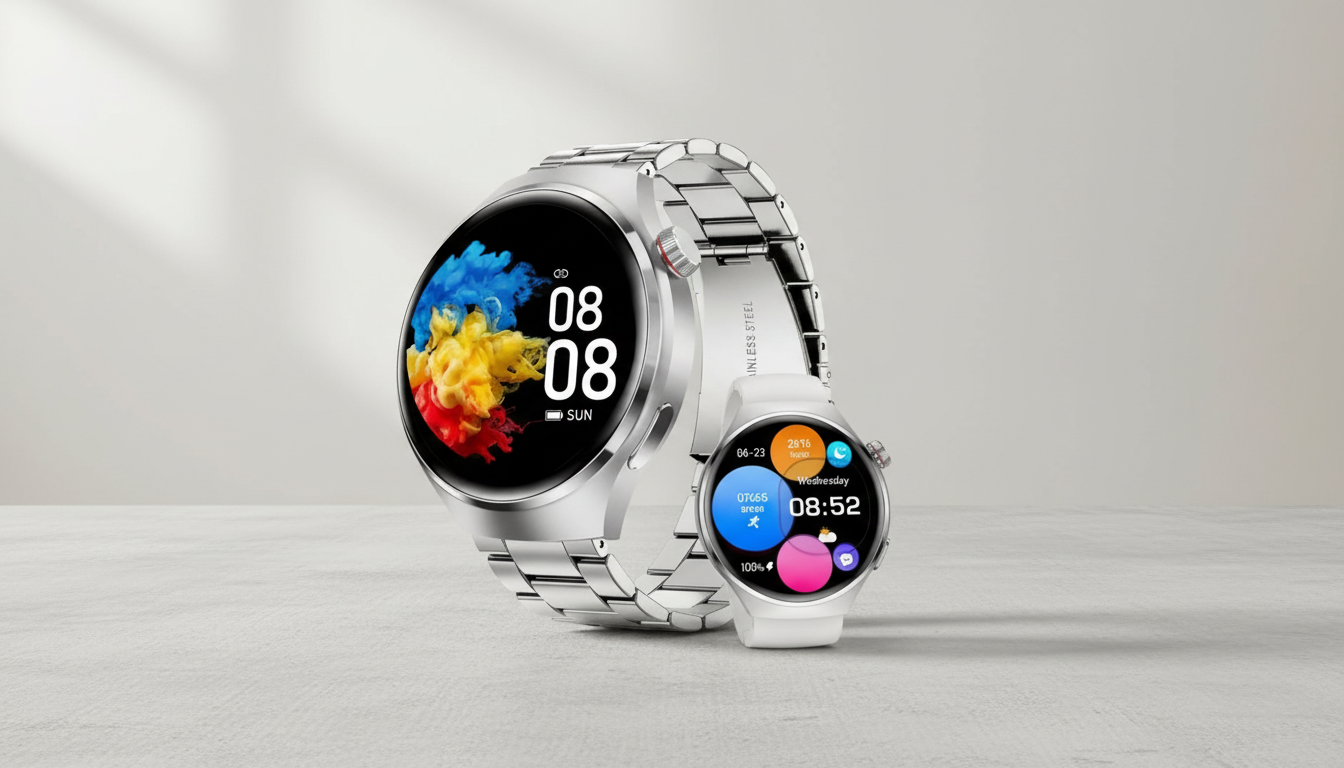
Outdoor Waterproof Smartwatch with Bluetooth Calling & Health Tracking
A rugged smartwatch can replace a handful of everyday essentials: a step counter, a basic fitness tracker, and quick call handling when the phone is tucked away. For outdoor use, the details matter—water resistance that matches real life, Bluetooth calling that stays stable on the move, and health tracking that’s easy to check mid-walk, mid-hike, or mid-shift. Below is a practical breakdown of what to look for, how to use these features safely, and how to keep performance consistent day to day. For more guidance, see Best Smartwatches and Fitness of 2026, Tested by Our ….
What Makes an Outdoor Smartwatch Practical
“Outdoor-ready” is less about extreme specs and more about reliability in common conditions: rain, sweat, frequent handwashing, dusty chores, and the occasional bump against a door frame or backpack buckle. For further reading, see JUGEMAN SMART WATCH | Official Website.
- Water resistance you can trust: “Waterproof” claims vary widely by rating and scenario. Look for clear guidance on what the rating covers and what it doesn’t. For context on water-resistance standards, see ISO 22810 (overview).
- Readable display + tough build: A bright, high-contrast screen is more useful than fancy graphics when you’re outside at noon. A durable case and comfortable strap also matter if you’re cleaning the watch often.
- Bluetooth calling: Handy for quick answer/reject, short conversations, and staying hands-free when you’re carrying gear or walking a dog.
- Fast-access health tracking: Heart rate, steps, sleep, and basic activity metrics are the everyday core. The best feature set is the one you’ll actually check.
- All-day comfort: Watch weight, strap feel, and a secure fit reduce distraction and improve sensor readings during movement.
Feature Highlights: Calling, Health Tracking, and Everyday Tools
Outdoor routines are often messy—gloves on, phone buried in a pocket, wind noise, and quick stop-start breaks. Practical features should reduce friction rather than add menus.
- Bluetooth calling: Prioritize stable pairing, a speaker/mic that stays clear, and simple controls for answering, rejecting, and ending calls. Learn more about how Bluetooth works from the Bluetooth SIG.
- Health tracking basics: Heart-rate monitoring, step counting, activity modes, and sleep tracking cover most needs without feeling complicated.
- Workout support: Activity modes (walk, run, cycle, etc.) help organize outdoor sessions even if you don’t need advanced training analytics.
- Smart conveniences: Notifications, alarms, timers, and basic controls can be more useful than niche features when you’re outdoors.
- Durability habits: Rinse after sweat or salt exposure, dry the charging area, and keep the strap clean to help avoid irritation.
Water Resistance: How to Use It Safely
Water resistance is a tool, not a license to treat a smartwatch like a dive computer. Even water-resistant devices can be stressed by heat, steam, soaps, or pressure changes.
- Match the rating to the scenario: Confirm whether the watch is intended for rain and splashes, shallow water exposure, or swimming.
- Avoid pressing buttons underwater: Unless the manufacturer explicitly says it’s allowed, pressure changes can increase the risk of water ingress.
- Skip hot showers and saunas: Heat and steam can challenge seals over time, even on water-resistant devices.
- After wet use: Rinse with fresh water after salt or chlorine exposure, then dry fully before charging.
- Strap + skin care: Trapped moisture can irritate skin. A small loosen/retighten adjustment and regular cleaning goes a long way.
| Scenario | Best practice |
|---|---|
| Rain & sweat | Wipe dry after activity; keep charging contacts dry |
| Handwashing & splashes | Avoid soap buildup around buttons; dry edges and underside |
| Pool/ocean | Rinse with fresh water afterward; dry fully before charging |
| Shower/sauna | Avoid heat and steam exposure when possible |
| High-pressure spray | Avoid; water jets can stress seals |
Bluetooth Calling: Setup and Real-World Performance Tips
Bluetooth calling is most satisfying when it “just works.” A few setup choices can prevent the common issues—calls routing to the phone speaker, choppy audio, or missed alerts.
Health Tracking: What the Data Can and Can’t Tell You
For general heart-rate guidance during exercise, the American Heart Association’s target heart rate resource is a helpful reference point.
Battery, Charging, and Phone Compatibility
Who This Style of Smartwatch Fits Best
Quick Specs Snapshot and What to Look For
| Priority | Why it matters | What to check |
|---|---|---|
| High | Water resistance | Rated use cases; drying/charging guidance |
| High | Bluetooth calling stability | Pairing steps; call audio connection; mic/speaker clarity |
| Medium | Health tracking consistency | Fit on wrist; sensor cleanliness; trend tracking |
| Medium | Display readability | Brightness; contrast; font size |
| Low–Medium | Extra apps/features | Only if they match daily habits |
Shop Outdoor-Friendly Everyday Essentials
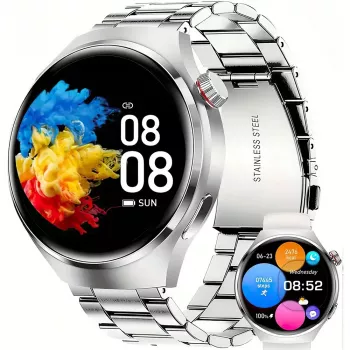
- Outdoor Waterproof Smartwatch with Bluetooth Calling & Health Tracking — a practical pick for hands-free calls and daily activity tracking.
- Genuine Leather Lambskin Crossbody Handbag – Stylish, Soft & Versatile — an easy way to keep your phone close for Bluetooth calling while your hands stay free.
- Men’s Genuine Leather Belt – Vintage Western Style with Pin Buckle, 1 Inch Wide — a durable everyday accessory for outdoor chores and travel.
FAQ
Can Bluetooth calling work without the phone nearby?
No. Bluetooth calling typically requires your phone to be within Bluetooth range because the watch acts like a hands-free accessory routing calls through the phone, not a standalone cellular device.
Is a waterproof smartwatch safe for swimming and showering?
It depends on the watch’s specific water-resistance rating and recommended use cases. Follow the manufacturer guidance, avoid hot water/steam and high-pressure spray, and always dry the watch completely before charging.
How accurate are heart-rate and sleep readings on a smartwatch?
They’re generally best for spotting trends rather than providing medical-grade precision. Fit, motion, skin temperature, and sensor cleanliness can affect readings, and wearables are not medical devices.







Leave a comment