Portable Folding Camping Table: Choose, Set Up, Use
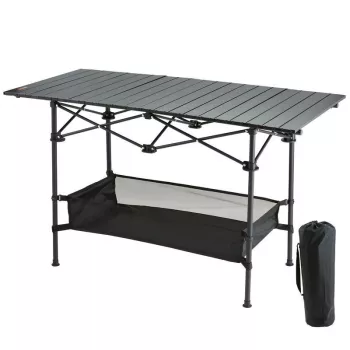
Portable Folding Camping Table for Campsites, Picnics, and Tailgates
A portable folding camping table adds a clean, stable surface for cooking prep, meals, games, and gear organization—without taking up much space in the car. The right table balances pack size, weight, stability, and a top that’s easy to wipe down after a dusty weekend outdoors.
What a folding camping table is best for
- Meal prep and serving: Keeps food off coolers and ground cloths, and helps separate raw and cooked items.
- Stove and cookware staging: Provides a level platform for ingredients, utensils, and cookware (place stoves only on heat-safe surfaces and follow the stove manufacturer’s guidance).
- Gear organization: A simple “drop zone” for headlamps, batteries, maps, and charging packs to reduce campsite clutter.
- Group comfort: Improves the eating experience compared with balancing plates on laps or camp chairs.
- Day-use versatility: Works for picnics, beach days, tailgates, fishing spots, and backyard gatherings.
For family-style meals or group hangs, a dedicated table also helps keep your cooking area more sanitary. For outdoor food handling basics, the CDC’s guidance on food safety outdoors is a solid reference for temperature control, clean hands, and avoiding cross-contamination.
Features that matter most
- Packed size and carry method: Check whether it folds flat, rolls up, or collapses, and whether it includes a carry bag or handle.
- Weight vs. stability: Lighter tables are easier to carry; sturdier frames resist wobble when cutting or mixing.
- Tabletop material: Aluminum and coated surfaces wipe clean quickly; fabric-style tops pack small but can sag under heavy items.
- Leg design: Wider stances and cross-bracing reduce racking; locking mechanisms help prevent accidental collapse.
- Height and ergonomics: Standard sitting height suits camp chairs; taller heights can be better for prep tasks and standing use.
- Footing: Larger feet distribute weight on sand or soft soil; rubberized feet can help on rock or pavement.
- Load considerations: Use the manufacturer’s weight rating and avoid point loads (like concentrating weight on one corner).
When choosing a table, it’s also worth thinking about where it will live in your vehicle. Overlanding rigs and packed SUVs benefit from flatter-folding designs, while quick day trips can prioritize speed of setup. Planning your gear and setup ahead of time supports smoother, lower-impact outings—Leave No Trace’s guidance on Plan Ahead and Prepare offers practical ideas for keeping campsites tidy and efficient.
Quick comparison guide
Use this checklist to match common trip styles to the table characteristics that make setup and daily use easier. When in doubt, prioritize stability and an easy-to-clean top for the widest range of camping scenarios.
| Trip style | Top priority | Nice to have | Watch for |
|---|---|---|---|
| Car camping (family meals) | Stable frame and easy-clean tabletop | Larger surface area, extra storage shelf | Wobble on uneven ground |
| Tailgating / park picnics | Fast setup and compact fold | Carry handle/bag, stain resistance | Sharp edges or pinch points |
| Beach days | Wide feet and corrosion-resistant materials | Rinse-friendly construction | Sinking legs in soft sand |
| Solo or minimalist weekends | Low packed size and low weight | Multi-height settings | Tiny tops that crowd cookware |
| Overlanding / gear-heavy trips | Higher load capacity and bracing | Replaceable feet, rugged hinges | Bulky packed size |
Setup, leveling, and everyday use tips
- Pick the flattest available spot and clear rocks and pinecones to reduce wobble.
- If one leg sinks, place a flat rock, wood scrap, or dedicated leveling pad under the foot.
- Lock and re-check hinges before placing heavy items; vibration during transport can loosen fasteners over time.
- Keep heavier items centered rather than near edges; avoid leaning body weight on corners.
- For cooking prep, use a cutting board to protect the tabletop and simplify cleanup.
- Wipe spills promptly; sugary drinks and sauces can attract insects if left to dry.
A small routine helps: set the table, level it, confirm locks, then stage gear in “zones” (prep, serving, cleanup). This keeps the surface usable even when multiple people are reaching for utensils, condiments, or card games at the same time.
Care, cleaning, and storage
A solid option to consider
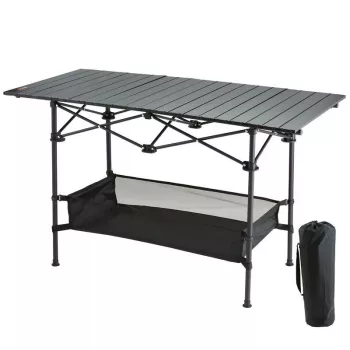
If you want a dedicated surface for meals and gear organization instead of improvising with coolers or uneven ground, the Portable Folding Camping Table is designed for convenient transport and quick setup for campsite meals, picnics, and tailgates.
For day trips and tailgates, it can also help to keep small essentials easy to grab. A compact personal bag like the Genuine Leather Lambskin Crossbody Handbag – Stylish, Soft & Versatile keeps keys, phone, and wipes together, while a durable accessory like the Men’s Genuine Leather Belt – Vintage Western Style with Pin Buckle, 1 Inch Wide is a simple add-on for travel days and outdoor events where you’re in and out of the car.
FAQ
How much weight can a folding camping table hold?
It depends on the frame, bracing, and tabletop design. Follow the manufacturer’s stated weight rating, keep heavier items centered, and avoid concentrating weight on edges or corners.
Can a camping stove be used on a folding table?
Only if the tabletop is stable and heat-safe for the stove’s use case. Follow the stove’s instructions, keep proper clearance from flammables, and never use a stove inside enclosed spaces.
How do you keep a folding camping table from wobbling on uneven ground?
Start by choosing a flatter spot and clearing debris under the feet. Level the table with flat rocks, wood shims, or leveling pads, and re-check that leg locks are fully engaged.








Leave a comment