537Wh Solar Generator: Real Backup Power for Essentials
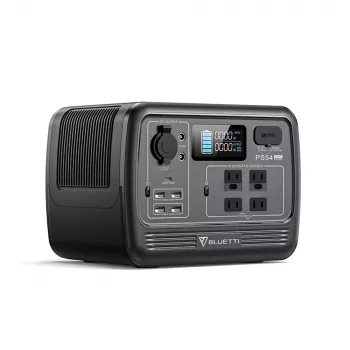
What a 537Wh Solar Generator Can Really Do for Home Backup and Off-Grid Living
A 537Wh solar generator sits in a sweet spot for practical backup: small enough to carry and store easily, but large enough to keep essentials running during outages and make off-grid weekends noticeably more comfortable—without gasoline, fumes, or constant engine noise. The key is understanding what “537Wh” means in real energy terms, which devices it supports best, and how to recharge efficiently so you’re not just conserving power—you’re replacing what you use.
For broader outage planning and safety guidance, it’s worth reviewing resources from Ready.gov and generator safety basics from the NFPA.
What “537Wh” Means for Real-World Backup Power
Watt-hours (Wh) measure stored energy. A 537Wh unit can theoretically deliver 537 watts for 1 hour, 53.7 watts for 10 hours, and so on. In real use, output isn’t 100% efficient—converting battery power to AC power (and losses in chargers/cables) reduces usable energy.
A practical runtime estimate looks like this:
Runtime (hours) ≈ Battery Wh × Efficiency (often 0.75–0.9) ÷ Device watts
Higher-draw appliances shorten runtime quickly, while lower-watt essentials (lights, routers, phone charging) stretch it out. Also plan for startup surges: devices with motors and compressors can demand a brief spike far above their running wattage, and the inverter must be able to handle it.
Example runtimes from a 537Wh class solar generator (estimates)
| Device | Typical draw (W) | Estimated runtime (hours) | Notes |
|---|---|---|---|
| Wi‑Fi router | 10 | 40–48 | Ideal for outage communications |
| LED light (single bulb) | 9 | 45–55 | Multiply draw by number of bulbs |
| Laptop (charging/working) | 60 | 6–8 | Varies by workload and charger efficiency |
| CPAP (no heated humidifier) | 40 | 9–12 | Humidifier/heated tube can double draw |
| Small fan | 35 | 11–14 | Good comfort load for sleeping |
| Mini fridge (average) | 60–120 avg | 3–7 | Startup surge may require higher inverter headroom |
| Phone charging | 5–12 | 25–80 | Depends on adapter and charging speed |
If you want to sanity-check power use, the U.S. Department of Energy explains basic electricity and usage concepts in its guide to watts and energy consumption.
Best Use Cases: Home Essentials vs. Off-Grid Comfort
Home backup: prioritize “always-on” essentials
During an outage, a 537Wh unit shines when you focus on low-watt, high-importance loads: modem/router, phones, a couple of LED lights, and medical devices. If the inverter rating allows, it can also handle short bursts of higher use—like recharging tool batteries or briefly running a small appliance—without committing to long, power-hungry sessions.
Off-grid weekends: comfort loads that don’t blow the budget
For camping and cabins, it’s a practical hub for lighting, device charging, a small fan overnight, and a portable fridge/cooler (as long as surge requirements are met). It’s also useful for brief tool use (inflators, small drills, or battery chargers), especially when you recharge during the day.
Work-from-anywhere power
A laptop, hotspot/router, and task lighting can run for hours on a 537Wh class battery. You’ll get the best results by minimizing AC conversions (for example, USB‑C charging when supported) and dimming lights to what you actually need.
Charging Options and How to Recharge Faster
Solar charging (best for off-grid)
Solar input depends on panel wattage, sun angle, temperature, and clouds. Even “100W” panels often produce less than the nameplate rating in real life. To improve yield, keep panels unshaded, aim them toward the sun, and adjust the angle a couple times per day (morning, midday, afternoon). Partial shading can reduce output dramatically, even if only one corner of a panel is covered.
Wall charging (best for pre-storm readiness)
For reliable preparation, wall charging is typically the most consistent way to reach 100% quickly. Topping off the night before severe weather, or the morning you head out, ensures you start with full capacity rather than relying on uncertain sun conditions.
Car charging (best for slow top-offs)
What to Check Before Plugging In: Power Limits, Surges, and Ports
Backup Setup That Works When the Power Goes Out
A simple pre-outage checklist
Build a load plan (and stick to it)
Battery health and basic safety
Is a 537Wh Solar Generator Enough for Off-Grid Living?
Featured Option and Related Picks
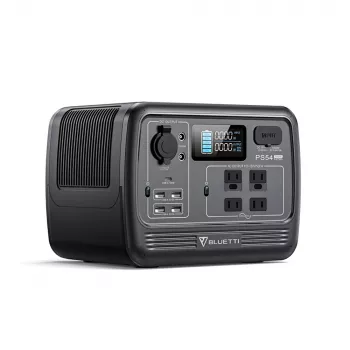
If you’re targeting a compact, essentials-focused capacity tier, the 537Wh Solar Generator for Home Backup and Off-Grid Living is designed for routers, lights, phones, laptops, small fans, and medical devices with modest power draw. For best performance, plan around wattage and startup surges, and use DC/USB outputs when available.
- Genuine Leather Lambskin Crossbody Handbag – Stylish, Soft & Versatile
- Men’s Genuine Leather Belt – Vintage Western Style with Pin Buckle, 1 Inch Wide
FAQ
How long will a 537Wh solar generator run a refrigerator?
It depends on the fridge’s average wattage (because it cycles on and off) and whether the generator’s inverter can handle the compressor’s startup surge. Many small/efficient fridges average roughly 60–120W, which often translates to about 3–7 hours of total runtime from a 537Wh class unit, but real results can vary widely.
Can a 537Wh solar generator power a CPAP overnight?
Often yes if the CPAP is used without a heated humidifier or heated tube, since those features can significantly increase power draw. A typical CPAP around 30–60W may run through the night, especially if you use a DC option (when supported) to reduce conversion losses.
How many solar panels are needed to recharge a 537Wh unit?
Panel needs depend on sun hours, real-world panel output, and the unit’s maximum solar input. As a rough guide, a 100W panel might take most of a good day to refill from low to full in real conditions, while 200W can shorten that window substantially—assuming strong midday sun and proper panel angle.







Leave a comment