Cozy Sisal Cat Tree: Scratching Posts & Indoor Play
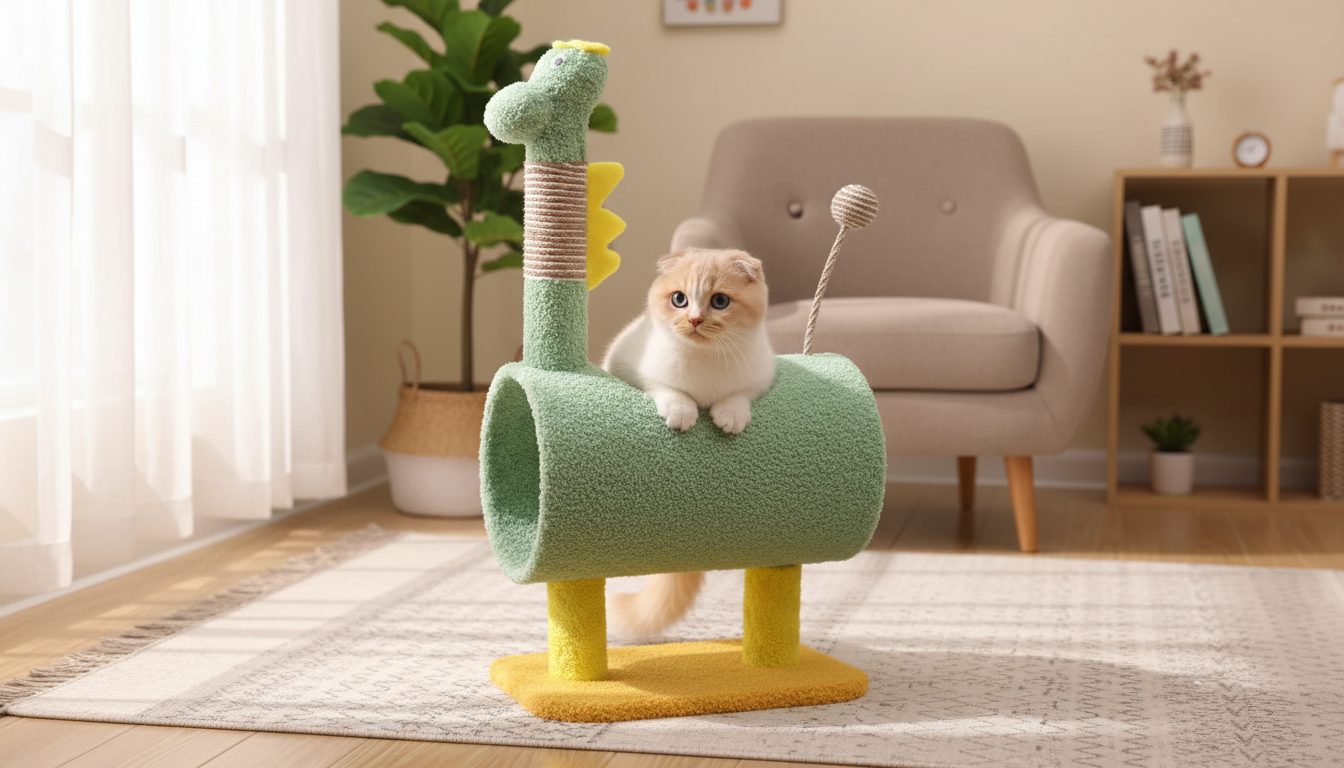
Cozy Sisal Cat Climbing Tree with Scratching Posts: Comfort, Play, and Healthy Scratching
A well-designed cat tree can turn a corner of the home into a cat’s favorite territory—supporting climbing, perching, scratching, and rest in one spot. The Cozy Sisal Cat Climbing Tree with Scratching Posts is built to encourage natural behaviors while helping protect furniture by offering an appealing, dedicated scratching surface.
What Makes a Cat Tree Worth Having
Cats don’t just “like” vertical spaces and scratchers—many rely on them to feel settled and to burn off energy in a way that fits indoor life. A solid cat tree earns its place in the home when it supports daily needs and becomes a predictable, positive routine.
- Supports daily instincts: climbing to survey, scratching to maintain claws, and resting in elevated, secure spots.
- Creates a dependable “yes space”: a go-to zone that can reduce boredom behaviors like knocking items over or scratching sofas.
- Helps multi-cat homes: adding vertical territory can make sharing a room easier and reduce tension.
- Offers a repeatable play zone: many cats return to the same structure for quick bursts of play and longer naps.
For more on why enrichment matters for indoor cats, the ASPCA’s cat enrichment guidance offers practical ideas that pair well with a climbing-and-scratching station.
Cozy Sisal Cat Climbing Tree with Scratching Posts: Overview
The Cozy Sisal Cat Climbing Tree with Scratching Posts is designed as an at-home activity hub: a place to climb, perch, scratch, and settle—without turning your living room into a maze of separate pet items. It’s especially helpful for indoor cats that need more “vertical mileage” throughout the day.
- Home-friendly look: made to blend into common living spaces while still serving as a dedicated cat zone.
- Sisal-wrapped scratching posts: the texture offers grip and resistance that many cats prefer over carpet or bare wood.
- Encourages vertical movement: multiple levels support jumping, exploring, and lounging.
- Best results with smart placement: set it where your cat already spends time (near a window, in a family room, or along a regular cat “route”).
Quick look: what it’s designed to do
| Need | How the tree helps | Placement tip |
|---|---|---|
| Scratching outlet | Sisal posts give grip and resistance for full-body stretches | Place near the most-scratched furniture zone to redirect |
| Climbing & perching | Vertical levels encourage jumping and exploration | Put near a wall or corner for stability and confidence |
| Rest & comfort | Cozy surfaces create a predictable nap spot | Locate away from loud appliances and heavy foot traffic |
| Indoor enrichment | Combines play, vantage points, and scratching in one station | Near a window can add “cat TV” value |
Benefits for Claws, Muscles, and Mood
When a cat tree is used daily, the payoff often shows up in the small things: fewer “drive-by” scratches on the sofa, more predictable nap patterns, and short bursts of movement that help indoor cats feel busy in a good way.
- Healthy scratching: scratching helps remove old claw sheaths and provides a satisfying stretch through shoulders and back.
- Activity breaks all day: climbing and jumping add low-effort exercise without needing a huge play session.
- Stress relief: an elevated refuge can help cats feel safer in active households, especially during visitors or noisy moments.
- Furniture protection: when the texture and location are right, a dedicated scratching surface becomes the easy choice.
If scratching is a big household issue, International Cat Care’s overview on why cats scratch and how to support it is a helpful companion to setting up a scratch-friendly home.
Choosing the Right Spot at Home
Placement can make the difference between “best purchase ever” and “why is this ignored?” Cats are honest reviewers: they use what feels stable, safe, and socially connected.
- Start where your cat already hangs out: near a window, in the main living area, or by a favorite resting spot.
- Redirect scratching strategically: place the tree within a few feet of the current scratch target; after the habit forms, shift it gradually if needed.
- Use corners for confidence: wall-adjacent placement reduces wobble and helps cautious cats climb more comfortably.
- Avoid “unused-room exile”: many cats prefer to perch where they can watch household activity.
Getting Cats to Use It (Without a Battle of Wills)
The goal is to make the tree feel like your cat’s idea. Small, consistent rewards beat big “training sessions,” and the right setup prevents mixed signals.
Care, Longevity, and Safety Checks
Is It a Good Fit for Different Cats?
Recommended Picks In Stock
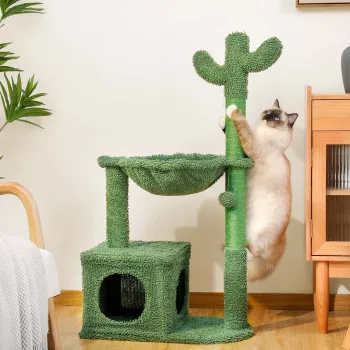
- Cozy Sisal Cat Climbing Tree with Scratching Posts ($165.51) — a dedicated climb, perch, and scratch hub designed for everyday use.
- Interactive Squeaky Dog Sniffing Toy ($2.51) — a simple add-on for mixed-pet households that want a separate enrichment option for dogs while cats enjoy vertical space.
FAQ
How long does it take a cat to start using a new climbing tree?
Many cats investigate within a few days, but confident daily use often takes 1–2 weeks. Placing it in a high-traffic cat area and pairing it with brief play and small treats usually speeds things up.
Do sisal scratching posts help stop furniture scratching?
They can, especially when the post is placed near the current problem spot and your cat is rewarded for using it. Make furniture less convenient during the transition so the sisal post becomes the easiest, most satisfying option.
Where should a cat tree go for the best daily use?
A spot near a window or in a main living area tends to get the most consistent use because cats like to observe their surroundings. Keep it stable (corner or wall-adjacent) and avoid isolated rooms where the household rarely spends time.









Leave a comment