Kids Teepee Tent with Windows for Reading & Quiet Play
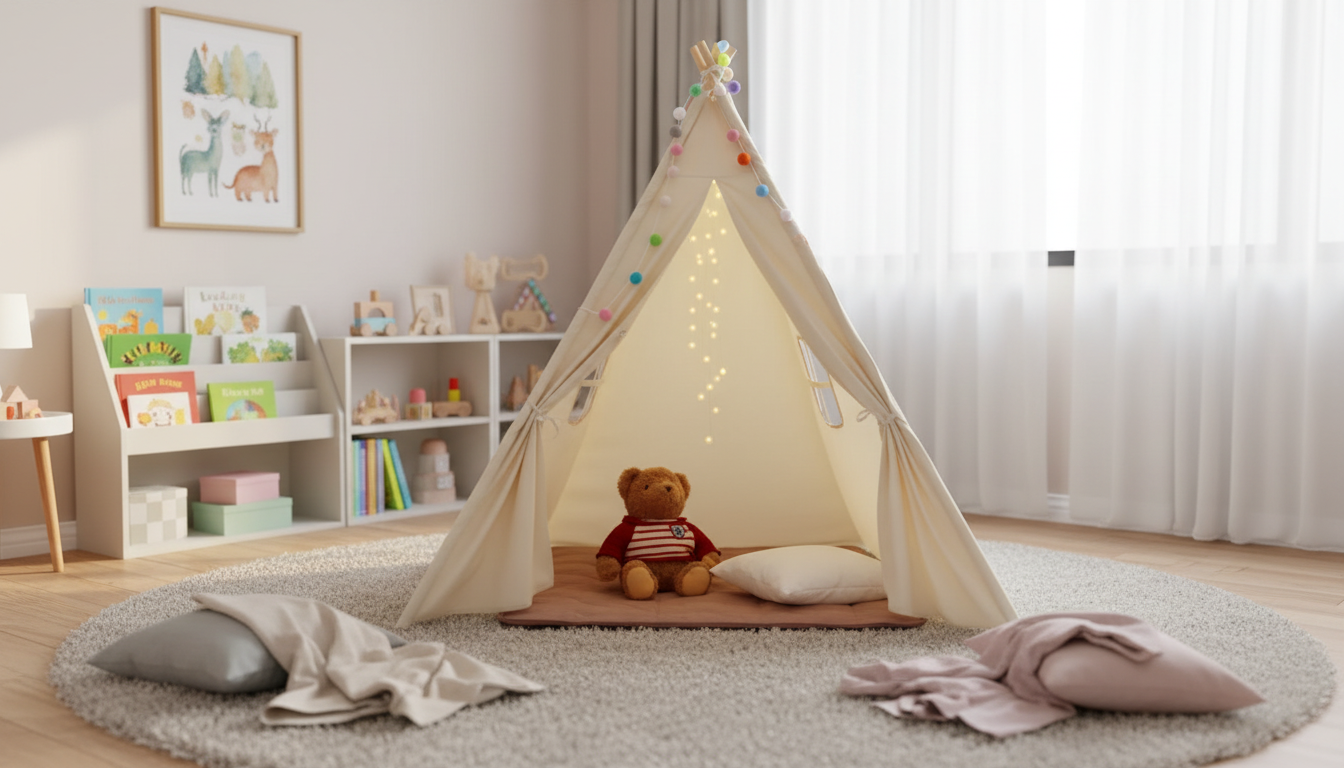
Kids Teepee Tent with Windows: A Cozy Play Space for Reading, Pretend Play, and Quiet Time
A teepee tent with windows creates a kid-sized hideaway that feels airy and inviting while still offering a sense of privacy. The right setup can support everything from page-turning story time to imaginative “camp” adventures, with enough visibility for caregivers to keep an eye on things without breaking the mood. Below is a practical guide to what windows add, where this style fits best at home, and what to look for so play stays comfortable and safe.
Why Windows Make a Teepee More Fun (and More Practical)
Windows change the feel of a teepee in a simple but meaningful way: they open up the space while keeping the cozy “hideout” vibe kids love.
- Light and visibility: windows let natural light in so the inside feels less closed-in during play or reading.
- Airflow: mesh or breathable window panels can help reduce stuffiness during longer play sessions.
- Interactive play: kids can wave, peek out, and use windows as part of pretend “shop,” “camp,” or “castle” games.
- Easier supervision: caregivers can check in without interrupting play or quiet time routines.
- Photo-friendly setup: a brighter interior looks more inviting in a bedroom or playroom and helps the space feel intentionally designed.
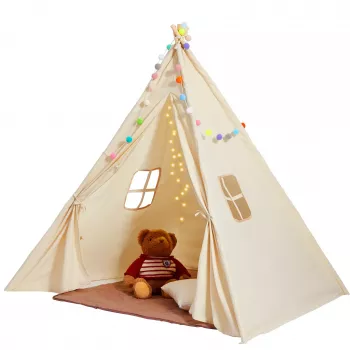
Product Snapshot: Kids Teepee Tent with Windows
If you’re building a reading nook or calm-down corner, a teepee with windows offers a good balance of openness and comfort.
- Product: Kids Teepee Tent with Windows
- Price: $39.67 (USD)
- Availability: In stock
- Best for: indoor play corners, reading nooks, and quiet-time spaces
- Tip: add a soft rug or quilt underneath to define the “tent zone” and help protect flooring
Quick details
| Detail | Info |
|---|---|
| Product page | https://granditemsuniverse.shop/kids-teepee-tent-with-windows/ |
| Price | $39.67 USD |
| Stock status | In stock |
| Suggested use | Indoor play / reading nook |
| Add-ons | Pillows, blanket, string lights (battery), book basket |
Where It Fits Best: Room-by-Room Ideas
A teepee doesn’t need a big footprint to feel special. The best placement is usually a calm corner where kids can enter and exit easily without bumping into furniture.
- Bedroom: turn a corner into a bedtime story spot; keep a small basket for books and plush toys.
- Playroom: use it as a “quiet zone” to balance louder toys and active games.
- Living room: a neat, portable way to give kids their own space without adding permanent furniture.
- Shared rooms: a teepee can act like a mini “privacy bubble” for one child at a time (helpful for cooldowns or solo reading).
- Covered porch or patio (dry weather only, if materials allow): a shaded pretend-camping setup; bring it back indoors after use to reduce wear and avoid wind-related tipping.
Comfort Upgrades That Make Kids Use It More
The tent is the “shell,” but the comfort details are what make kids choose it again and again. A few small upgrades can turn occasional play into a daily routine.
- Floor comfort: place a padded mat or folded quilt inside; add a non-slip rug pad under the tent area if needed.
- Pillow mix: one large pillow for lounging plus a smaller one for “reading posture.”
- Lighting: battery-operated fairy lights or a small clip-on book light (avoid heat-producing bulbs and keep cords out of reach).
- Organization: a small bin nearby speeds cleanup and helps the teepee stay inviting instead of cluttered.
- Sensory calm: include a soft blanket or a simple fidget item for quiet-time routines.
If your household includes a pet that tends to get underfoot during story time, a small distraction can help keep the area peaceful. The Interactive Squeaky Dog Sniffing Toy can be a quick, supervised option to redirect a curious dog away from the tent entrance while kids settle in.
Safety and Setup Checklist
Kids’ indoor tents are designed for play, not climbing or roughhousing. A simple checklist keeps the space safer and more relaxing for everyone.
- Stable placement: set up on a flat surface away from stairs and heavy traffic paths.
- Distance from hazards: keep clear of space heaters, fireplaces, candles, and hot lamps.
- Ventilation: ensure windows and door openings aren’t blocked by large pillows or blankets.
- Supervision guidelines: toddlers may need closer supervision around poles, ties, or fabric openings.
- Routine inspection: check for loose stitching, torn fabric, or bent supports; stop use if stability changes.
- Clear rules: no climbing on the structure and no roughhousing inside.
For additional safety guidance, review general recommendations from the U.S. Consumer Product Safety Commission (CPSC) on toy safety and home safety tips from the American Academy of Pediatrics (HealthyChildren.org).
How to Pick the Right Teepee Style for Your Child
Not all teepees feel the same once they’re in the room. A few selection details can make the difference between a cute decoration and a spot kids actually use.
FAQ
Are teepee tents with windows good for toddlers?
They can work well with supervision and basic safety rules (no climbing, stable placement, and keep away from heat sources). Choose breathable windows and keep the interior uncluttered so toddlers can move in and out easily.
What should go inside a kids teepee to make it comfortable?
Start with a soft base like a quilt or mat, then add 1–2 pillows and a light blanket. A small basket for books or a couple of quiet toys helps keep the space tidy and easy to use.
Can a kids teepee tent be used outdoors?
Occasional use in dry, mild weather can be fine if the materials allow, but avoid wind and damp ground. Bring it back indoors after use to reduce wear and help maintain stability.







Leave a comment