Plush Calming Dog Bed for Medium & Large Dogs: Size + Care
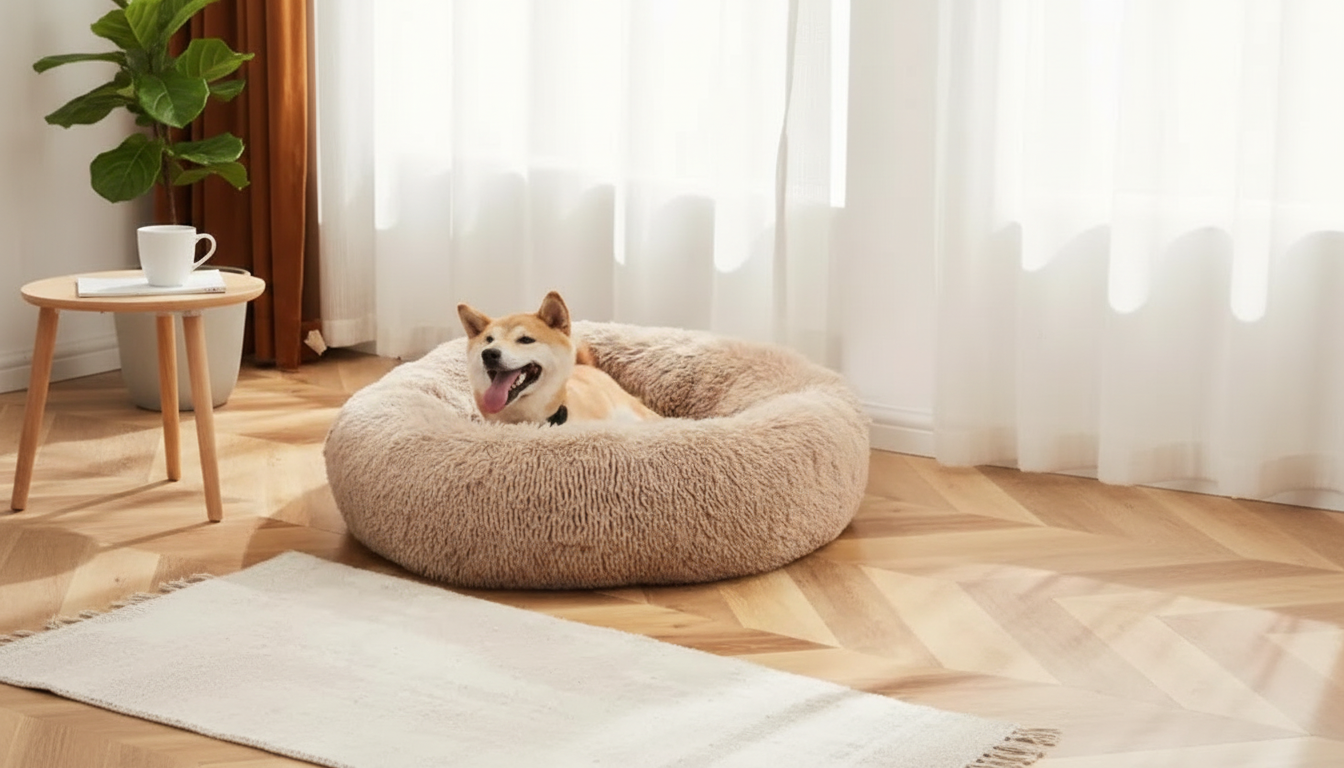
Calming Plush Dog Bed for Medium to Large Dogs: Cozy Support That Helps Dogs Settle
A soft, supportive bed can help dogs settle faster, nap longer, and feel secure—especially for anxious pups, light sleepers, and older dogs that need extra joint-friendly cushioning. This guide breaks down what makes a plush calming bed work, how to pick the right size for medium to large dogs, and how to keep it clean and comfortable over time.
What makes a calming plush bed different
Not every dog bed feels “safe” to a dog. Calming plush designs focus on comfort cues that encourage the body to relax and the mind to switch off.
- Nesting shape encourages natural curl-up and burrowing behavior that can help dogs relax.
- Plush surfaces can reduce startle response for sensitive sleepers by providing a consistent, cozy texture.
- Raised edges (where present) can act like a gentle “hug” and offer a headrest for dogs that like to prop their chin.
- A dedicated sleep zone can reduce pacing and “can’t-settle” behavior by giving the dog a predictable place to decompress.
For dogs that get tense during household activity, a defined “rest boundary” can be especially helpful. If anxiety is a recurring concern, reputable guidance from sources like the American Kennel Club (AKC) and the American Veterinary Medical Association (AVMA) can be a useful complement to training and routine.
Who benefits most from a calming bed
- Medium to large dogs that sprawl, switch positions, or need more surface area to fully relax.
- Dogs that experience noise sensitivity (storms, fireworks) and seek enclosed, soft spaces.
- Rescue dogs or recent adoptees adjusting to a new home and routine.
- Senior dogs that prefer cushioned, warmer sleep surfaces for comfort.
- Crate-trained dogs when the bed is sized to fit the crate footprint without bunching.
If a dog is showing persistent stress signals (hiding, panting, trembling, destructive behavior), the ASPCA’s dog care resources can help you identify red flags and next steps.
Key comfort features to look for
Medium to large dogs place more pressure on a bed, so “soft” alone isn’t enough. These features help a plush bed stay supportive and inviting over time:
- Loft and fill: enough cushioning to prevent “bottoming out,” especially for heavier dogs.
- Edge support: a stable perimeter for dogs that like bolsters; avoid overly floppy sides for large breeds that lean.
- Sleep surface feel: plush fibers that remain soft after washing and don’t mat quickly.
- Base stability: a non-slip or grippy underside helps prevent sliding on tile or hardwood.
- Ease of cleaning: removable cover or materials that tolerate regular washing for odor and allergen control.
One practical test: press your palm down firmly in the center. If you hit the floor quickly, a larger dog likely will too—especially as the fill compresses with use.
Sizing for medium to large dogs (without the guesswork)
Choosing the right size is mostly about measuring how your dog actually sleeps. A bed that’s too small can cause restless shifting; too large can feel less “nest-like” for dogs that prefer a snug boundary.
Quick sizing checklist
| Dog’s sleep style | What to measure | What to prioritize |
|---|---|---|
| Curled up most of the time | Nose-to-tail in curl | Cozy inner area with supportive rim |
| Sprawls or “sploots” | Nose-to-tail fully stretched | Wider sleep surface and thicker fill |
| Leans on edges / chin rest | Shoulder width + curl length | Sturdy perimeter and stable sides |
| Crate sleeper | Crate interior floor dimensions | Outer size fit; non-slip base |
Setting it up for faster settling
Cleaning and care for plush beds
Care routine by lifestyle
| Dog lifestyle | How often to wash | Helpful add-on |
|---|---|---|
| Indoor, low-shed | Every 3–4 weeks | Lint roller and weekly shake-out |
| High-shed or outdoor time | Every 1–2 weeks | Brush dog before bed; vacuum bed weekly |
| Allergy-prone household | Weekly | Fragrance-free detergent; thorough drying |
| Senior or accident-prone | As needed + routine wash | Washable blanket or waterproof layer |
Product spotlight: Calming Plush Dog Bed for Medium to Large Dogs
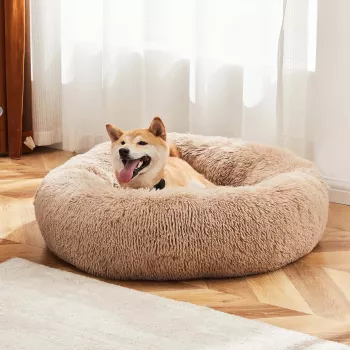
If you’re building a consistent “calm zone,” a dedicated plush bed can make the routine feel clear and predictable. Calming Plush Dog Bed for Medium to Large Dogs is designed to provide a soft, cozy resting space suitable for medium to large dogs, with a plush sleeping surface that encourages longer, more consistent rest.
At-a-glance details
| Item | Details |
|---|---|
| Name | Calming Plush Dog Bed for Medium to Large Dogs |
| Price | $36.51 USD |
| Availability | In stock |
| Product page | View product |
Comfort pairing: enrichment that supports calmer rest
For a simple routine, offer 3–5 minutes of calm sniffing play, then put toys away and cue the bed. If you’d like a small add-on for that wind-down, the Interactive Squeaky Dog Sniffing Toy can be rotated into supervised evening sessions.
FAQ
Do calming plush beds help with anxiety?
They can support relaxation by giving a dog a soft, consistent texture and a defined “nesting” space that feels secure. For severe or persistent anxiety, pairing the bed with training and professional veterinary guidance is often more effective than relying on any single product.
What size bed should a medium or large dog use?
Measure your dog in their usual sleep positions (curled and fully stretched) and choose a bed that fits the larger measurement so they can stretch out comfortably. If the bed will go in a crate, match the bed’s outer dimensions to the crate floor so it sits flat without bunching.
How often should a plush dog bed be washed?
Most households land between weekly (allergies, heavy shedding, lots of outdoor time) and monthly (low-shed, indoor dogs). Use gentle cycles when possible and dry thoroughly to prevent lingering moisture that can cause odors.







Leave a comment