Waterproof Long Sleeve Bib: Less Laundry, More Play
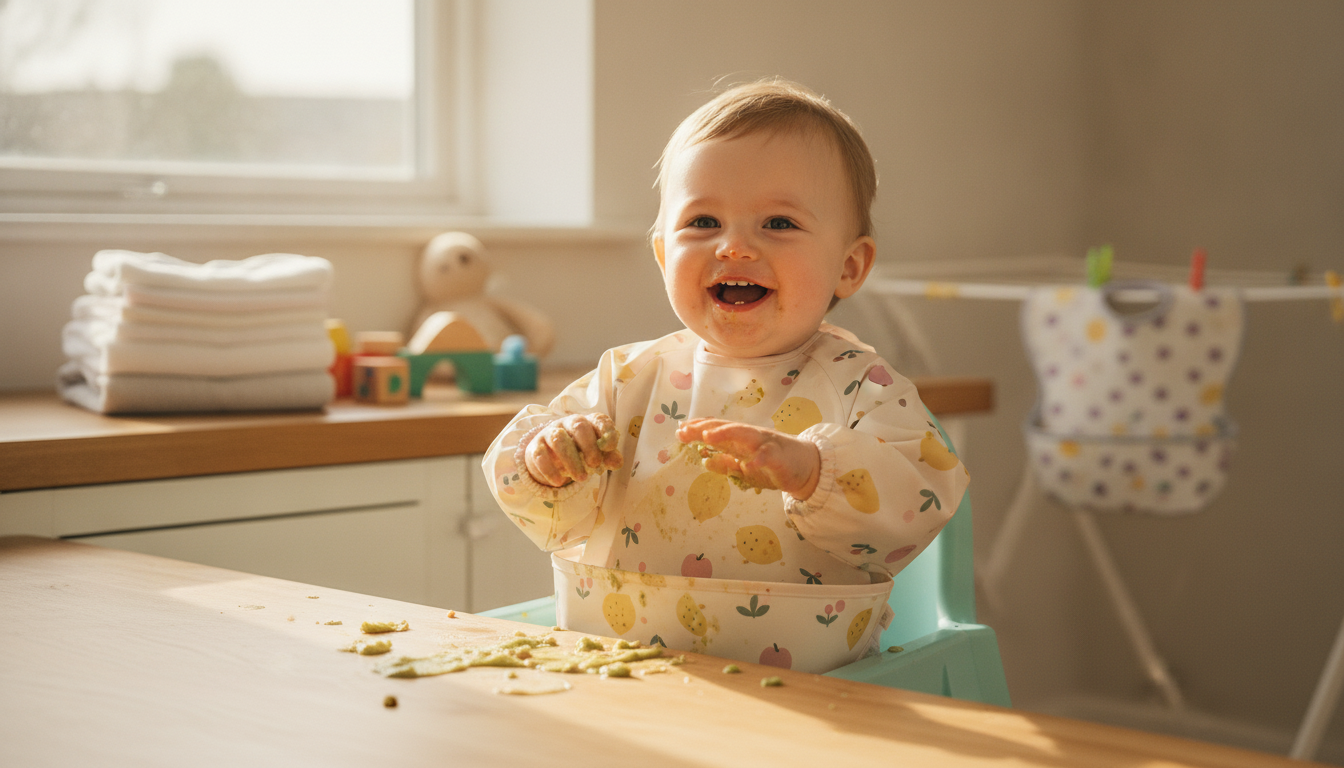
Waterproof Long-Sleeve Bib for Cleaner Mealtimes and Messy Play
A waterproof long-sleeve bib helps keep clothes dry during meals, crafts, and sensory play—cutting down on outfit changes and laundry. The right design balances full coverage, comfort at the neck and wrists, easy wipe-clean care, and a secure fit that stays in place as little ones move.
What a waterproof long-sleeve bib is used for
Some days call for more than a small chest bib—especially once little ones start leaning, scooping, and “helping.” A waterproof long-sleeve bib acts like a lightweight, smock-style barrier that protects both the front of the outfit and the sleeves.
- Mealtimes with high-splash foods (soups, yogurt, sauces) where a standard bib leaves sleeves exposed
- Finger painting, crayons/markers, playdough, and glue where stains can set into clothing
- Sensory bins and water play when a smock-like layer reduces damp sleeves and cuffs
- Travel and dining out as a packable barrier that helps keep outfits presentable
For families starting solids, messy exploration is normal and useful. Guidance from the American Academy of Pediatrics on introducing solid foods reinforces that learning to eat is a process—and spills are part of it (HealthyChildren.org).
Coverage and fit: the features that matter most
Full coverage only works when the bib stays where it’s supposed to. The most practical long-sleeve bibs are designed for active movement—reaching, twisting, and leaning over a tray—without pulling at the neck or riding up the arms.
- Full-coverage front plus long sleeves to protect both torso and arms during active eating or play
- Neck closure that feels comfortable (not scratchy) while still sealing gaps where drips run inside
- Cuffs that sit close to the wrist to limit food and paint from sneaking up sleeves
- A lightweight feel so the bib doesn’t pull or bunch when a child leans forward or reaches
- Roomy cut through the chest and shoulders to allow movement without tugging at the neck
Fit tip: if you notice food consistently slipping into the neckline, it often means the closure is either too loose or positioned too high/low for your child’s posture in the high chair. A small adjustment can make the difference between “mostly clean” and “outfit change required.”
Materials and waterproof performance
Not all “water-resistant” fabrics behave the same in real life. A true waterproof outer layer should encourage liquids to bead up and roll off rather than soaking in. That matters most with thin liquids (water, juice) and heavily pigmented messes (tomato sauce, paint).
- Look for a waterproof outer layer that sheds liquids rather than absorbing them
- Smooth surfaces tend to wipe clean more easily than textured fabrics that hold onto sauces or paint
- Seams and edging matter: neat finishing helps prevent fraying and reduces places where residue can collect
- A bib that dries quickly after rinsing is easier to reuse for multiple meals or activities in a day
For hygiene between activities, good hand and surface cleaning habits also help reduce sticky residue and lingering odors in the eating area. The CDC’s handwashing and cleaning guidance is a helpful reference for everyday routines (CDC).
Easy cleanup and everyday care
The biggest advantage of a waterproof long-sleeve bib is how quickly it can reset between messes. Instead of soaking a full outfit, you’re usually just dealing with a surface wipe-down.
- Wipe-down cleaning works well for most messes; a quick rinse can handle heavier residues
- Use mild soap when needed and rinse thoroughly to avoid leftover odors or stickiness
- Air-dry fully before storing to help prevent mildew smells, especially after rinsing
- Avoid harsh bleach or high heat unless the care instructions specifically allow it
- Keep an extra bib on hand for daycare, travel bags, or back-to-back messy activities
Long-sleeve bib vs. standard bib vs. smock
| Option | Best for | Main trade-off |
|---|---|---|
| Standard bib | Dry or low-drip foods | Sleeves and sides still get messy |
| Waterproof long-sleeve bib | Saucy meals, crafts, sensory play | Needs proper fit at neck/cuffs to prevent gaps |
| Art smock | Paint-heavy projects | Can be bulkier and slower to clean/dry |
When to size up or switch styles
Product pick: Waterproof Long-Sleeve Bib
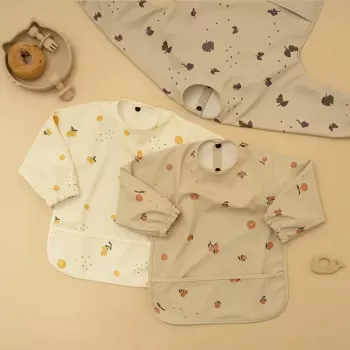
If daily meals and messy play are creating a steady stream of laundry, the Waterproof Long-Sleeve Bib is a simple upgrade. It’s designed to protect clothing during meals and messy play with a waterproof, wipe-clean surface, while long sleeves help reduce stains on cuffs and arms—common trouble spots during feeding.
| Item | Price | Availability |
|---|---|---|
| Waterproof Long-Sleeve Bib | $9.82 | In stock |
Helpful add-ons for on-the-go mess management
- Genuine Leather Lambskin Crossbody Handbag – Stylish, Soft & Versatile for hands-free carrying while wrangling toddlers
- Men’s Genuine Leather Belt – Vintage Western Style with Pin Buckle, 1 Inch Wide as a sturdy everyday accessory (and an easy gift add-on)
FAQ
How do you clean a waterproof long-sleeve bib?
Wipe it with a damp cloth for light messes. For heavier residue, rinse with warm water and mild soap, then air-dry completely before storing. Follow the item’s care instructions if machine washing or heat is allowed.
Are long-sleeve bibs comfortable for toddlers?
They can be comfortable when the neck area is soft, the fabric is lightweight, and the cuffs aren’t tight. A roomy cut through the shoulders and chest helps reduce tugging while a toddler eats or plays.
Is a long-sleeve bib better than an art smock?
For everyday meals and quick crafts, a waterproof long-sleeve bib is often faster to put on and easier to wipe down. For paint-heavy projects, an art smock can offer broader coverage but may feel bulkier and take longer to clean and dry.






Leave a comment