Women’s One-Piece Athletic Dress: Fit, Fabric & Style
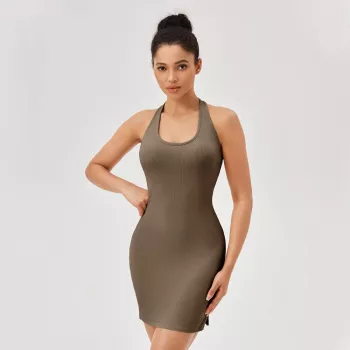
Women’s One-Piece Athletic Dress: Comfort, Coverage, and Move-Ready Style
A one-piece athletic dress delivers the easy, “done in one” feel of a dress with the comfort and flexibility expected from activewear. It can be a smart pick for workouts, errands, travel days, and warm-weather plans—especially when you want breathable coverage without juggling separate tops and bottoms. The best versions feel secure through movement, manage sweat effectively, and sit smoothly on the body without riding up, twisting, or limiting stride.
What a One-Piece Athletic Dress Is (and Why It Works)
A one-piece athletic dress is a single garment designed to move with you, usually made from stretch performance fabrics that support walking, casual training, and everyday activity. The appeal is simple: fewer pieces to adjust, fewer waistbands to fuss with, and a pulled-together look that still reads sporty.
Most styles work best for low-to-medium impact movement. Think brisk walks, warm-ups, mobility work, or a casual court-inspired outfit. Depending on the cut, you may wear it with supportive underlayers (like a sports bra) or add fitted shorts for extra coverage and reduced friction.
The real “secret sauce” is balance—enough stretch for mobility, plus enough structure for stability. When the fabric and fit are right, the dress stays in place while you move, rather than shifting and requiring constant readjustment.
Fabric and Feel: What to Look For
Performance comfort starts with the material. Not all stretch fabrics behave the same, so it helps to check a few core qualities before committing.
- Stretch and recovery: The fabric should stretch easily and spring back after bending, sitting, or squatting. Good recovery helps prevent bagging at the hips and keeps the silhouette neat.
- Breathability: Lightweight knits and moisture-managing blends can reduce that sticky feeling during heat, humidity, or higher-effort days. For general activity guidance, the CDC’s overview of physical activity basics is a helpful reference: https://www.cdc.gov/physicalactivity/basics/index.htm.
- Opacity: Check that the fabric isn’t see-through under bright light or when stretched. Darker colors and denser knits often provide more confidence.
- Soft feel and smooth seams: A soft hand-feel plus clean seam finishing can reduce rubbing at underarms, inner thighs, and waistband areas during longer wear.
Fit and Support: Getting the Right Silhouette for Movement
Fit is what turns an athletic dress from “cute” into “wearable for real life.” The goal is steady coverage with free movement—no pulling at the neckline, no digging at the waist, no restrictive hips when you lengthen your stride.
Quick Fit Check Before Keeping the Dress
| Check | How to test | Good sign | Adjust if not |
|---|---|---|---|
| Squat comfort | Do 5 slow squats | No pinching at hips/waist; fabric stays opaque | Size up or choose a denser knit |
| Arm mobility | Reach overhead and across body | No pulling at neckline or underarms | Try a different cut or more stretch |
| Stay-put fit | Jog in place for 30 seconds | Minimal riding up or twisting | Look for better structure or add fitted shorts |
| Chafe points | Walk briskly for 5 minutes | No rubbing at inner thighs/underarms | Choose smoother seams or use anti-chafe balm |
| Coverage | Bend forward and check in mirror | Comfortable hem and neckline coverage | Adjust length/neckline or add layers |
If chafing is a concern, the American Academy of Dermatology offers practical prevention tips (including fabric choices and friction reduction): https://www.aad.org/public/everyday-care/itchy-skin/skin-irritation/prevent-chafing.
Where an Athletic Dress Fits Best: Activities and Occasions
Styling and Accessories That Keep It Practical
- Footwear: Trainers for all-day walking, court shoes for better lateral support, or cushioned sneakers for travel-heavy days.
- Bags: A compact crossbody keeps hands free and balances the sporty profile. For a dressed-up, soft-leather option, consider the Genuine Leather Lambskin Crossbody Handbag – Stylish, Soft & Versatile.
- Light layers: A cropped jacket, zip hoodie, or overshirt adds warmth without bunching at the waist.
- Simple add-ons: A belt bag, minimal jewelry, and hair accessories can elevate the look while staying practical.
Care Tips to Help Performance Fabrics Last
Care labels are there for a reason; the FTC’s care labeling rules explain why instructions matter for apparel longevity: https://www.ecfr.gov/current/title-16/chapter-I/subchapter-C/part-423.
Featured Pick: Women’s One-Piece Athletic Dress
If you’re looking for a simple, move-ready staple, the Women’s One-Piece Athletic Dress is a streamlined option designed for easy wear from active moments to everyday plans. It works well as a foundation piece: add a supportive sports bra and sneakers for movement, then switch to a crossbody for errands or meet-ups. When one item needs to deliver comfort, flexibility, and a clean silhouette, an athletic dress can be the quickest outfit decision in the closet.
FAQ
Can an athletic dress be worn for workouts?
Yes—athletic dresses are especially comfortable for walking, light training, mobility sessions, and casual court-inspired activity. The key is choosing a secure fit and adding a supportive sports bra (and fitted shorts if you want extra coverage).
What should be worn underneath an athletic dress?
A supportive sports bra is the most common base layer. Many people also add fitted shorts or smooth, breathable underwear to reduce friction and help prevent chafing during longer wear.
How should an athletic dress fit to avoid riding up?
It should feel secure at the hips with enough room for a full stride, and the fabric should have good stretch with strong recovery so it springs back. Do quick movement checks (squat and jog in place) before committing, and consider fitted shorts if the hem tends to creep upward.








Leave a comment