Summer Dog Clothes: When They Help (and When to Skip)
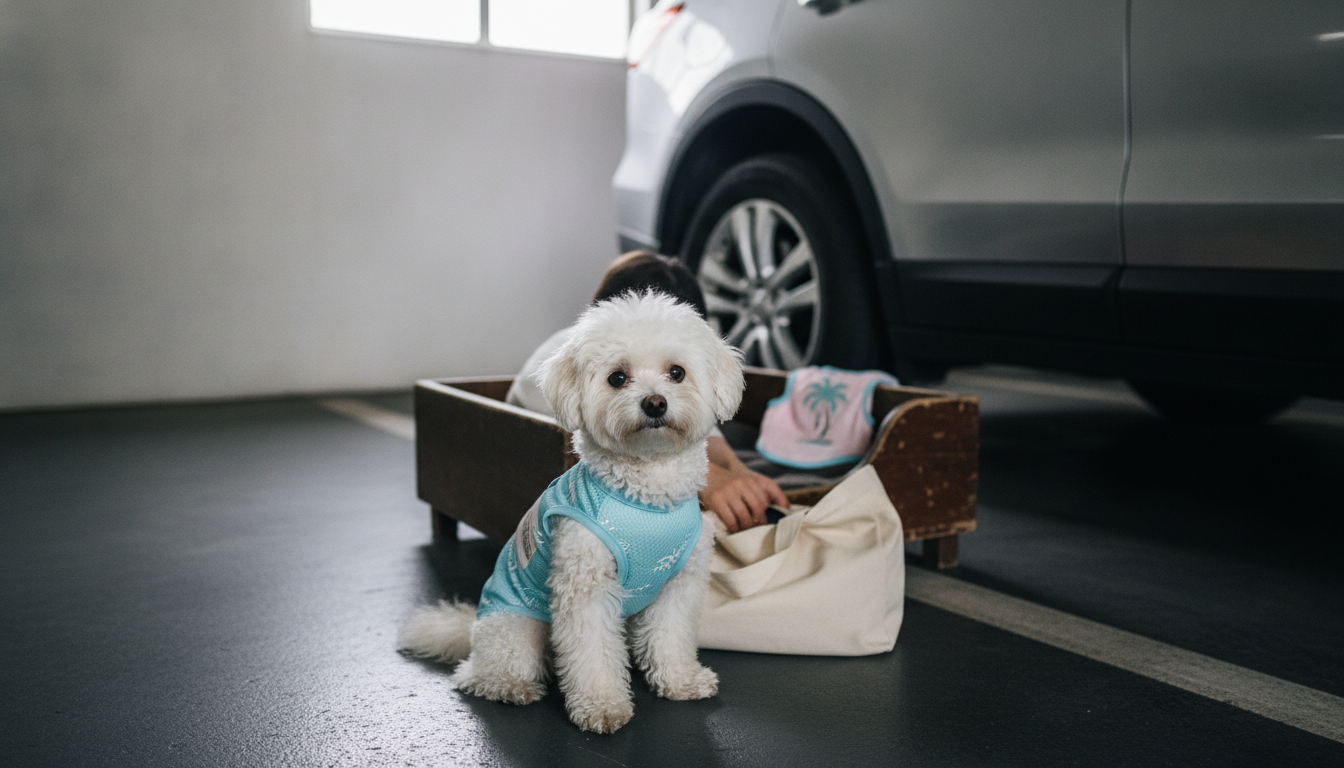
Should dogs wear clothes in the summer?
Sometimes, but not by default. In summer, most dogs stay more comfortable without clothing because extra layers can trap heat and reduce airflow. The best approach is to dress only when there’s a clear benefit—then choose lightweight, breathable gear and monitor your dog closely for signs of overheating.
When summer clothes can help
Sun protection for at-risk dogs
Dogs with thin coats, light-colored fur, or areas of sparse hair can be more vulnerable to sunburn, especially on the back, belly, and ears. A lightweight UV-protective shirt can add a layer of defense during short outdoor periods, particularly at peak sun hours.
Medical and skin support
Some dogs benefit from a thin recovery shirt or protective cover to reduce licking, scratching, or contact with irritants after a vet-recommended treatment. These should be used for the shortest time needed and removed if your dog starts panting harder than normal or seems uncomfortable.
Bug and allergen barriers
In areas with heavy mosquitoes or seasonal allergens, a breathable bodysuit or thin shirt can reduce direct skin exposure. This works best alongside other vet-approved prevention methods, not as a replacement.
When to skip clothes in hot weather
Heat and humidity days
On hot, humid days, clothing can make it harder for your dog to cool down through panting and by releasing body heat through the skin. Flat-faced breeds (like Pugs and Bulldogs), seniors, overweight dogs, and dogs with heart or breathing issues are especially sensitive.
If your dog shows overheating signs
Remove clothing immediately if you notice heavy panting, drooling, bright red gums, weakness, confusion, or reluctance to move. Offer water and shade right away and contact a vet if symptoms don’t quickly improve.
How to choose safe summer dog clothing
Look for light colors, thin fabric, and breathable materials (mesh or moisture-wicking athletic fabrics). Avoid thick cotton, tight fits, and anything that covers too much of the body. Keep it short-duration, take breaks, and never leave a dressed dog unattended outdoors.
For more practical guidance on fabrics, heat risks, and smart alternatives, visit the full guide here: https://granditemsuniverse.shop/should-dogs-wear-clothes-in-the-summer/.
FAQ
How can I keep my dog cool on summer walks without using clothes?
Walk early or late, stick to shaded routes, and bring water. Keep sessions shorter, avoid hot pavement, and use cooling strategies like wetting the paws and belly with cool (not icy) water.










Leave a comment